
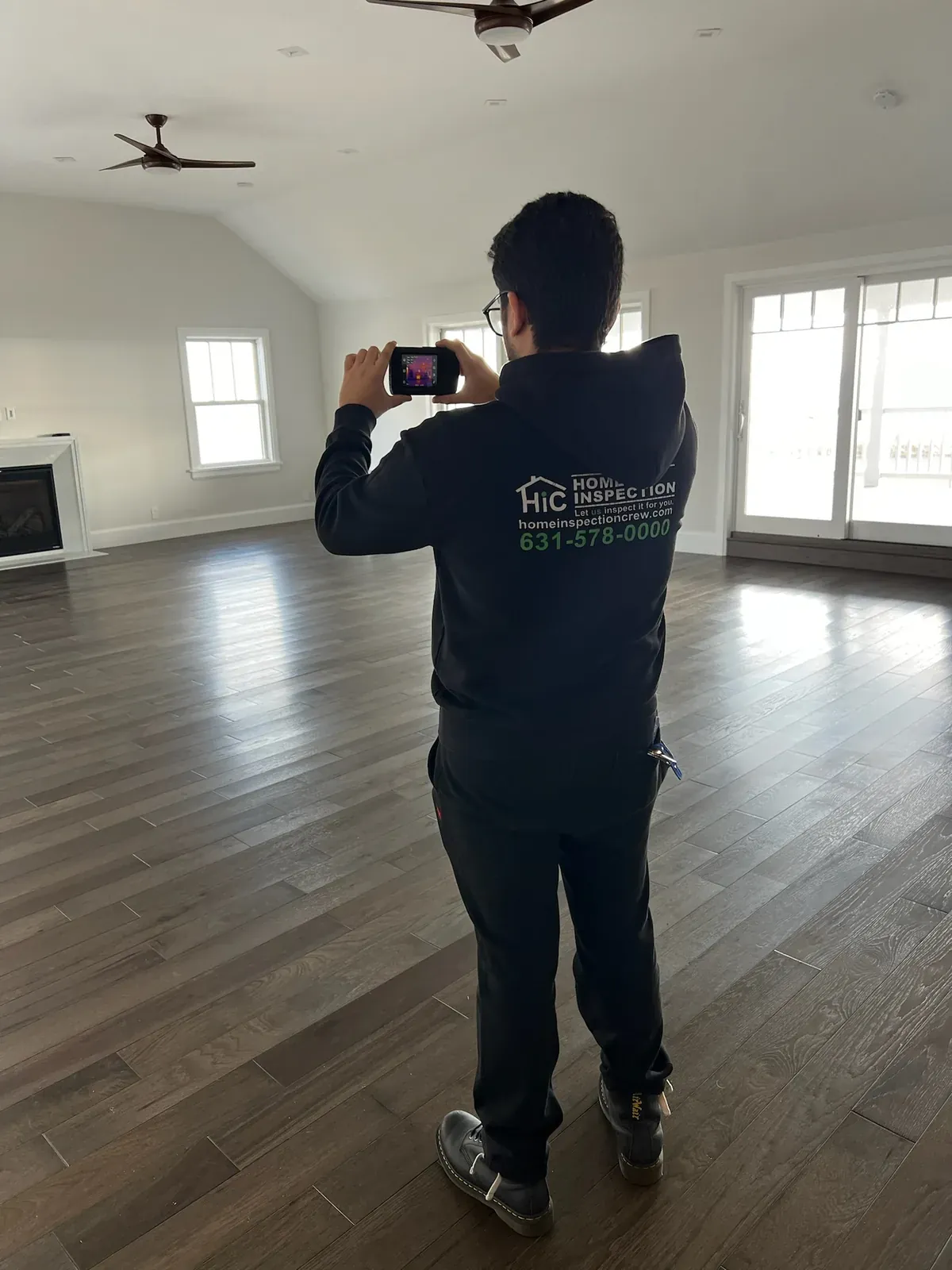
Long Island has everything from older village homes and postwar subdivisions to waterfront properties, renovated houses and newer construction. That variety is exactly why a home inspection should be property-specific instead of a generic checklist. The goal is to identify the visible conditions that matter to the buyer, explain what they mean, and flag anything that deserves repair, monitoring or specialist evaluation.
A home inspection is a visual, non-invasive evaluation of accessible systems and components. It is not a warranty, code inspection, appraisal, title search or guarantee that concealed defects do not exist.
1. Roof wear, flashing and drainage problems
The roof is one of the first places buyers should pay attention to because a small exterior defect can become an interior moisture problem. Inspectors look at accessible roof coverings, visible flashing, penetrations, roof transitions, gutters, downspouts and signs of past leakage.
Common concerns can include lifted or damaged shingles, aging roof coverings, deteriorated sealant around penetrations, missing or poorly detailed flashing, clogged drainage and staining in an attic or ceiling below. The important question is not simply whether the roof is “old.” It is whether there are visible conditions that suggest active leakage, poor drainage or repairs that should be evaluated further.
2. Basement and crawlspace moisture
Basements and crawlspaces often reveal useful clues about how a property manages water. An inspector may note staining, efflorescence, damp materials, musty conditions, deteriorated finishes, visible leakage or elevated moisture readings where appropriate.
Moisture can have many causes, including exterior grading, roof drainage, plumbing leakage, foundation penetrations, groundwater conditions or condensation. A good inspection documents what is visible without pretending to diagnose concealed conditions that cannot be seen.
3. Grading and water management around the house
Water should be directed away from the structure as effectively as practical. During an exterior inspection, attention is paid to the relationship between the building, surrounding grade, roof drainage, walkways, patios and other surfaces immediately around the home.
Downspouts that discharge next to the foundation, settled surfaces that pitch toward the house, blocked drains and deteriorated exterior drainage components can all contribute to unwanted moisture. These conditions are especially important when interior staining or basement dampness is also present.
4. Electrical panels, service equipment and older wiring
Electrical concerns range from straightforward maintenance items to conditions that deserve prompt electrician review. The inspection typically includes accessible service equipment, visible panels, representative receptacles and visible wiring conditions within the agreed scope.
Examples may include open knockouts, double-tapped conductors where not permitted by the equipment, missing covers, damaged receptacles, ungrounded or improperly wired outlets, exposed splices, corrosion, amateur modifications or older equipment that warrants further evaluation. The report should clearly separate observed defects from assumptions about concealed wiring.
5. Heating equipment and distribution problems
Long Island homes use a range of heating systems, including boilers, furnaces, heat pumps and ductless equipment. Inspectors review accessible equipment and operate systems when conditions permit. Age is useful context, but operation, visible condition, installation details and maintenance history matter too.
Rust, leakage, unusual noises, damaged distribution components, disconnected zones, poor access, unsafe exhaust conditions or evidence of deferred maintenance may lead to a recommendation for service by a qualified heating contractor.
6. Plumbing leaks and aging components
Visible supply piping, drainage, fixtures and water-heating equipment can reveal leakage, corrosion, poor repairs or drainage issues. Inspectors also look below accessible sinks, around plumbing fixtures and at visible piping in basements or utility spaces.
A home inspection cannot see inside every wall or underground pipe. If the age, history or condition of a property raises concerns about concealed drainage or sewer piping, a separate specialist evaluation or sewer scope may be worth considering.
7. Attic ventilation, insulation and roof-deck clues
When accessible, the attic can provide valuable information about the roof, insulation and ventilation. Inspectors may find staining, inadequate insulation, blocked ventilation, bathroom exhaust terminating in the attic, damaged framing, evidence of past repairs or moisture-related conditions.
Attic access is sometimes limited by stored belongings, finished construction or unsafe entry conditions. Those limitations should be documented in the report rather than ignored.
8. Exterior siding, trim, masonry and penetrations
The exterior envelope is intended to manage weather. Open joints, deteriorated trim, damaged siding, cracked masonry, failed sealant and poorly detailed penetrations can allow moisture into assemblies over time.
Vegetation in contact with the building can also obstruct inspection and retain moisture against exterior materials. Conditions are evaluated visually, and concealed wall cavities remain outside the scope of a standard home inspection.
9. Stairs, railings, decks and everyday safety items
Not every important inspection finding is a major system failure. Loose handrails, missing guards, deteriorated deck components, uneven steps, damaged walking surfaces and other fall hazards can be highly relevant to a buyer.
These are often repairable items, but documenting them before closing gives the buyer a more complete understanding of the property.
10. Renovations that make access difficult
Finished basements, converted attics, enclosed utility areas and extensive renovations can hide framing, plumbing, electrical or moisture conditions. A visual inspection can only evaluate what is accessible at the time of the appointment.
This is where report limitations matter. If a panel is blocked, an attic hatch is inaccessible or a crawlspace cannot be safely entered, the report should say so clearly. Buyers can then decide whether additional access or specialist review is appropriate before closing.
11. Windows, doors and signs of settlement or movement
Sticking doors, cracked finishes, sloped floors and difficult windows can have many causes. Some are normal age-related conditions; others deserve additional investigation. An inspector looks for patterns and visible evidence instead of diagnosing structural movement from a single cosmetic symptom.
12. Mold-like growth and moisture-related environments
Visible suspect growth, chronic dampness and water-damaged materials should not be ignored. The first priority is usually understanding the moisture source. Where appropriate, a separate mold assessment or testing service may help clarify the condition and next steps.
Because New York has specific licensing requirements for mold assessment and remediation work, the exact service should be confirmed before testing or remediation is arranged.
What should a buyer do with the inspection report?
A strong report helps you separate urgent concerns from normal maintenance. Read the summary, then review the full report because important context can appear outside the summary section. Ask questions about anything you do not understand, and obtain specialist evaluations when the report recommends them.
The inspection is most useful when it improves decision-making—not when every defect is treated as a deal breaker. Some findings may be simple maintenance, while others may affect negotiations, budgeting or whether additional investigation is needed before closing.
How much does a home inspection cost on Long Island?
Inspection fees usually depend on square footage, property type, age, number of units, accessory structures and any specialty testing requested. Home Inspection Crew’s current quick-price estimator starts at $450 for homes up to 1,200 square feet and increases with size; larger or more complex properties are quoted individually.
Price should be considered together with scope. A lower fee is not useful if important areas are excluded or the report does not clearly document significant findings. For the exact fee, use the home inspection pricing calculator and call with the property address and approximate square footage.
How to prepare for a Long Island home inspection
- Confirm the property address, approximate square footage and property type before scheduling.
- Ask that utilities and accessible systems be on and available for inspection when possible.
- Attend the inspection if your schedule allows.
- Bring questions about renovations, known leaks or repairs disclosed by the seller.
- Review the complete photo-rich report and follow up on significant recommendations.
Home Inspection Crew serves Suffolk County, Nassau County and the Hamptons, with buyer, seller, condo, multi-family, roof, mold and property-condition inspection options.
Call 631-578-0000Related inspection services and areas
View a real Home Inspection Crew sample report.
See how photographs, observed conditions, repair items and safety notes are organized in a full inspection report.